
Aerogel coatings are rapidly gaining popularity in industrial pipeline, steel structure, and tank insulation renovation projects due to their advantages of ultra-thin insulation, Class A fire resistance, and energy saving and environmental protection. However, many construction companies are concerned: Is the adhesion of aerogel coating good? Will it peel off in large areas after long-term use?
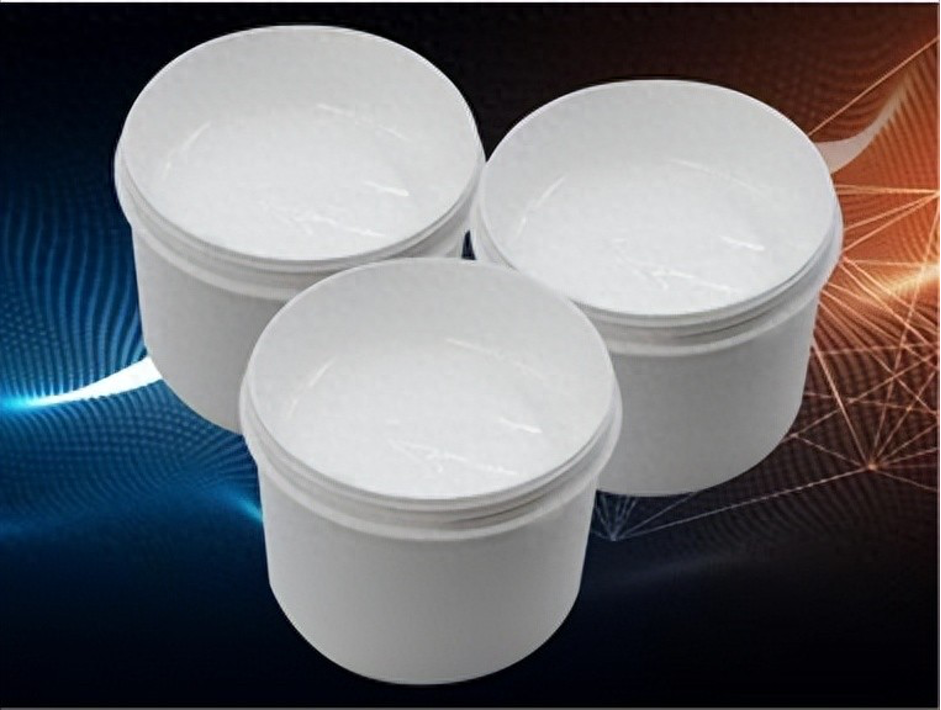
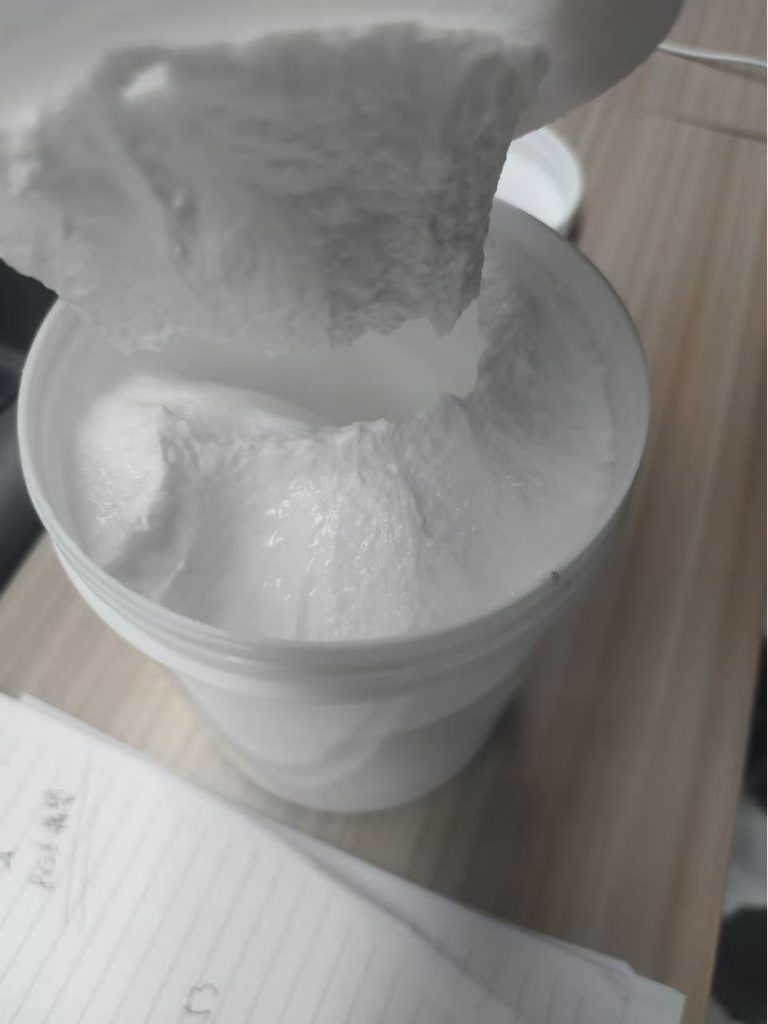
Aerogel thermal insulation coatings are composed of inorganic composite fibers and nano-silica aerogel functional fillers. They utilize a water-based, environmentally friendly dispersion system and incorporate a proprietary high-strength binder, undergoing a refined stirring and loosening process to create a homogeneous slurry coating. This inorganic composite formula eliminates the need for easily aging and cracking organic resin bases, fundamentally improving the adhesion between the coating and the substrate.
The product is compatible with various application techniques, including spraying and troweling, and can evenly cover various substrates such as metal and concrete. It can quickly cure into a film by standing at room temperature or baking at low temperature, forming a continuous and seamless heat insulation and protective layer. The nanoporous structure and inorganic fiber cross-linking network enhance the adhesion performance in both directions, ensuring a tight bond between the coating and the substrate. It meets the cross-cut test standards and will not crack or blister under alternating hot and cold environments.
Many people mistakenly believe that new types of coatings have poor adhesion. In fact, high-quality aerogel coatings have excellent weather resistance, temperature resistance, and acid and alkali resistance. They remain stable under long-term conditions ranging from -40 ℃ to high temperatures and will not blister or peel off like ordinary insulation layers. Peeling is extremely rare and is only caused by inadequate rust and dirt removal from the substrate, improper thick coating, or lack of protection in extremely harsh environments.
Traditional rock wool and rubber-plastic insulation have many gaps and are prone to falling off under gravity. Aerogel coatings, on the other hand, adhere seamlessly, are thin and lightweight, and can fit tightly onto irregularly shaped equipment and complex curved surfaces without the risk of splice detachment. They also offer long-lasting resistance to UV rays and moisture erosion, ensuring a long service life and consistent insulation performance, significantly reducing the probability of after-sales repairs.